

How Bed Bug Infestations Start and Spread
Bed bug infestations can feel like a nightmare that creeps in quietly and grows before anyone realizes what is happening. These tiny insects are skilled hitchhikers, capable of traveling unnoticed on clothing, luggage, and everyday items. Understanding how infestations begin and spread is essential for preventing long-term problems and protecting homes and businesses. Because bed bugs reproduce quickly and hide effectively, managing them often requires knowledge, early detection, and support from local pest control companies that understand the behaviors and risks associated with these persistent pests.
Understand the Origins of Bed Bug Infestations
Bed bugs have lived alongside humans for eons, with historical evidence tracing them back to ancient civilizations. Over time, they adapted to human environments, thriving anywhere people sleep or gather. Their modern resurgence is linked to increased travel, population density, and reduced use of certain pesticides that kept populations low. Because bed bugs can remain hidden for extended periods, infestations go unnoticed until they have grown significantly. Understanding their origins helps highlight why prevention and consistent monitoring remain essential today.
One key factor contributing to bed bug spread is their ability to enter homes unnoticed. They often travel inside luggage, secondhand furniture, or personal belongings. Public spaces such as hotels, theaters, and transit systems provide opportunities for them to move between hosts and locations. Once inside a home, bed bugs quickly settle into concealed areas where they can feed and reproduce. Recognizing these entry points helps homeowners and property managers take proactive steps to reduce infestation risks.
Recognize Bed Bug Biology and Environmental Factors
Bed bug reproduction is a major reason infestations escalate rapidly. According to Forbes, a female bed bug typically lays 200 to 250 eggs during its lifespan of three to four months. These eggs hatch quickly, producing nymphs that mature into adults capable of continuing the cycle. Because bed bugs can survive for extended periods without feeding, they remain resilient even when environments temporarily change.
Environmental conditions also play a role in their growth. Warm, cluttered spaces provide ideal hiding spots and encourage population expansion. Seasonal travel patterns can increase infestation risks as people move between locations more frequently. Maintaining clean living areas and minimizing clutter can reduce potential hiding places and make detection easier.
Identify Signs of Bed Bug Activity Early
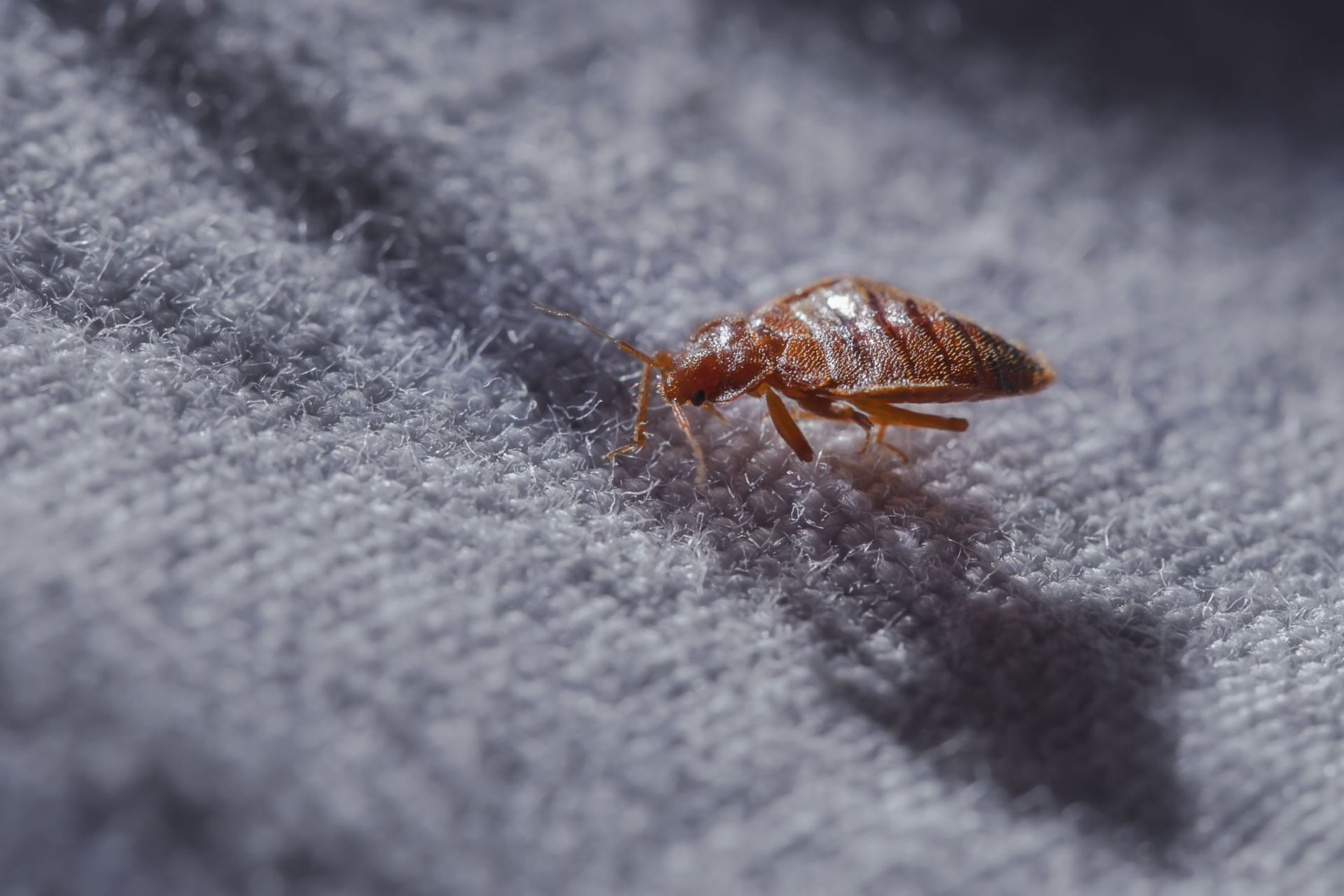
Early detection is crucial for preventing infestations from spreading. Visual signs often include small rust-colored insects hiding in mattress seams, furniture cracks, and wall crevices. Dark spotting on bedding may indicate bed bug waste, while shed skins and eggshells also signal activity. These indicators appear near sleeping areas where bed bugs have easy access to hosts.
Bite patterns can also alert individuals to a possible infestation. Bed bug bites often appear in clusters or lines on exposed skin, causing itching and irritation. Reactions vary among individuals, with some experiencing severe discomfort while others notice little effect. Recognizing these signs promptly can encourage faster inspections and reduce the chance of widespread infestations.
Detect Bed Bugs Using Advanced Methods
Detection tools can enhance the accuracy of identifying bed bug presence. Passive monitoring devices trap insects as they travel toward hosts, while active detection systems use heat or carbon dioxide to lure them out of hiding. These tools can provide early warnings and support routine inspections in homes, hotels, and commercial properties.
Professional inspections offer an additional layer of reliability. Specialists may use trained detection dogs or specialized equipment to locate hidden infestations. Because bed bugs can conceal themselves in hard-to-reach areas, professional evaluations often provide more comprehensive results than visual checks alone. Working with local pest control companies ensures detection methods are thorough and tailored to each environment.
Understand How Bed Bugs Spread Between Locations
Human activity is one of the most significant factors in bed bug transportation. These pests can cling to clothing, bags, or furniture, traveling from one environment to another without being noticed. Even brief visits to infested areas can result in accidental transfer, making awareness essential for prevention.
Luggage is a particularly common transport vehicle. Bed bugs can hide in suitcase linings and seams, moving easily from hotels or transit systems into homes. Inspecting luggage after travel and washing clothing at high temperatures can reduce risks significantly. In urban and multi-unit housing settings, bed bugs may also move between rooms through shared walls or utility pathways, further accelerating their spread.
Recognize the Impact of Bed Bug Infestations
The effects of bed bug infestations extend beyond physical discomfort. Persistent bites can disrupt sleep, increase stress, and lead to anxiety. In some cases, individuals may develop allergic reactions or infections from scratching affected areas. These health impacts can influence overall well-being and quality of life.
Financial consequences also play a role. Professional treatment, cleaning costs, and potential property damage can create significant expenses. Businesses, particularly those in hospitality, may face reputational harm and revenue losses when infestations occur. Because of these risks, many property owners rely on local pest control companies to provide preventive measures and rapid response services.
Prevent Bed Bug Infestations Through Proactive Measures
Prevention begins with maintaining clean and organized environments. Regular vacuuming, washing bedding at high temperatures, and reducing clutter can limit hiding spots and support early detection. Routine inspections of sleeping areas also help identify problems before they become severe.
Travel precautions are equally important. Using protective luggage covers, inspecting accommodations, and laundering clothing immediately after returning home can reduce exposure risks. Early detection protocols, including monitoring devices and scheduled inspections, provide additional layers of protection.
Apply Effective Control and Treatment Methods
Integrated pest management strategies combine multiple approaches to address infestations effectively. This method may include physical removal, chemical treatments, and environmental adjustments. Heat treatment is one widely used option, as high temperatures can eliminate bed bugs at all life stages without relying heavily on pesticides.
Chemical treatments remain valuable when applied correctly. Professional guidance ensures proper product selection and application methods to maximize effectiveness while maintaining safety. While some individuals attempt do-it-yourself solutions, extensive infestations typically require assistance from local pest control companies that have the expertise and equipment necessary for thorough eradication.
Rely on Professional Support for Long-Term Control
Professional pest management services provide tailored solutions for complex infestations. Experts assess infestation severity, identify hidden colonies, and implement targeted treatments. Their experience allows them to address challenges that often exceed the effectiveness of DIY methods. By working with
local pest control companies, property owners gain access to advanced tools, detailed inspections, and ongoing prevention strategies that support long-term control.
Education also plays a crucial role in maintaining results. Understanding bed bug habits, travel patterns, and prevention practices empowers individuals to protect their environments effectively. Community awareness programs and routine inspections can help reduce infestation rates across neighborhoods and shared spaces.
Bed bug infestations can be persistent, but they are manageable with knowledge, vigilance, and prompt action. Understanding how these pests enter, reproduce, and spread provides the foundation for effective prevention and control. Through early detection, proper sanitation, and professional treatment when necessary, individuals and businesses can significantly reduce the impact of infestations.
If you are dealing with signs of bed bugs or want to protect your property, Safe-Way is here to help. Our licensed and insured team provides comprehensive services including general pest control, free inspections, rodent and pest control, commercial pest control, and real estate services. Serving the Johnson City, TN area with same-day appointment availability, we deliver reliable solutions designed to restore comfort and peace of mind. Contact Safe-Way today to schedule an inspection and take the first step toward a pest-free environment.



Share On: