

7 Ways Pest Control Services Can Keep Your Property Cockroach-Free
Cockroaches can become a frustrating problem for homeowners and business owners because they often hide in dark, damp areas and emerge when food and water are available. These pests can enter buildings through small openings, move between rooms, and reproduce in places that are difficult to inspect. Once they establish themselves indoors, eliminating them may require more than simply removing the insects that are visible. Professional pest control services can help identify infestation sources, address conditions that attract cockroaches, and develop a plan to manage their presence. Understanding how these pests behave and where they tend to hide can help property owners take practical steps toward prevention. With consistent sanitation, careful monitoring, and appropriate treatment, it is possible to make a property less inviting to cockroaches and reduce the risk of recurring infestations.
1. Identifying Cockroach Hiding Places
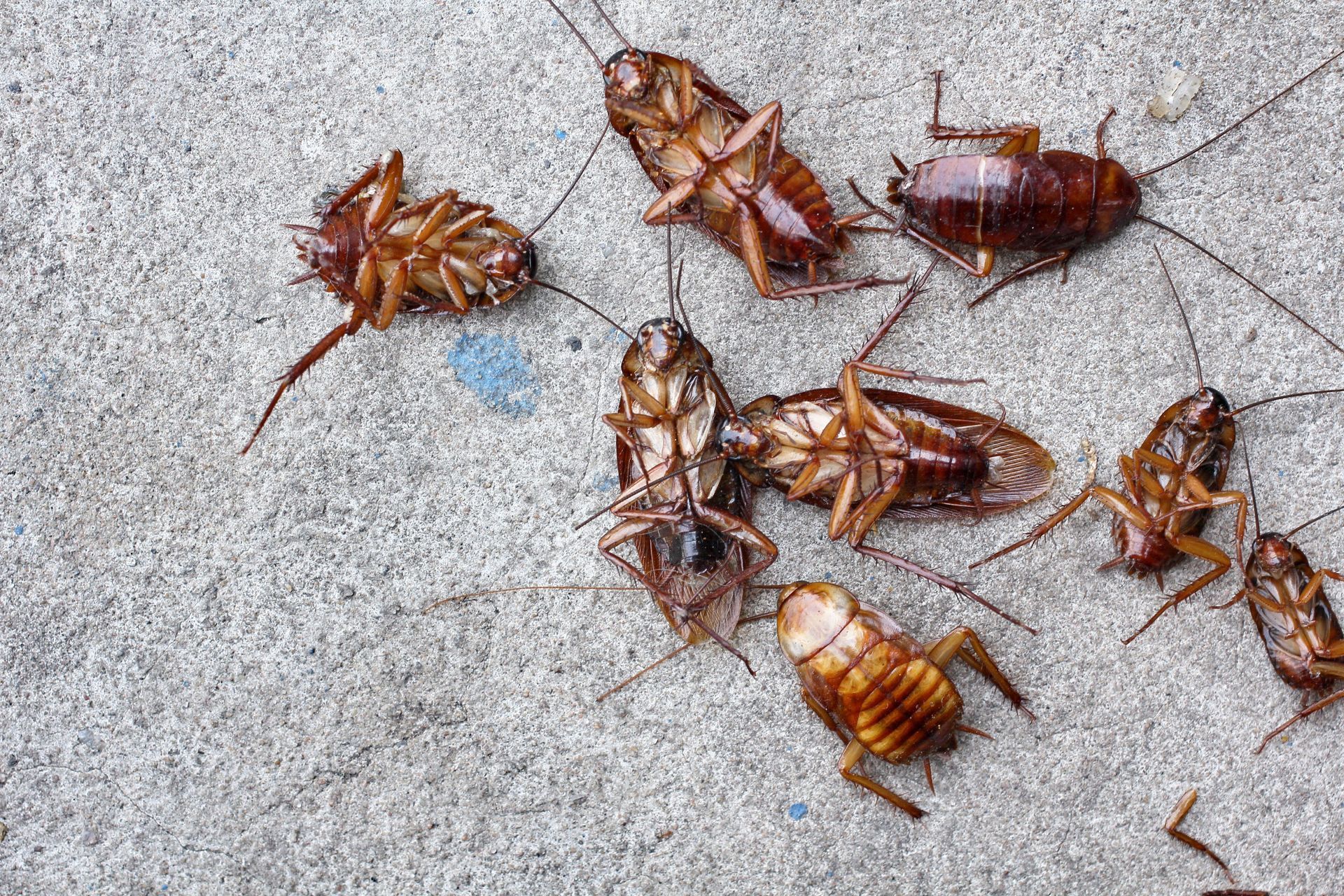
Cockroaches are skilled at hiding in narrow, dark spaces that provide shelter during the day. Common hiding places include kitchen cabinets, spaces beneath appliances, bathroom vanities, storage areas, and gaps around plumbing fixtures. These locations may offer the warmth, moisture, and food sources cockroaches need to survive. According to BobVila.com, cockroaches have flat, oval-shaped bodies that generally measure between three-quarters of an inch and three inches long. Their body shape allows them to squeeze into small openings that property owners might overlook during routine cleaning. Professional inspections can help identify likely nesting areas, entry points, and signs of cockroach activity. Finding these locations is an important step because treating visible insects without addressing their hiding places may leave an infestation unresolved. A thorough inspection provides useful information for selecting appropriate treatments and determining which areas require additional attention.
2. Removing Food Sources That Attract Cockroaches
Accessible food is one of the main reasons cockroaches remain in residential and commercial buildings. Crumbs beneath tables, grease behind cooking equipment, uncovered pet food, and unsealed pantry items can provide convenient meals for these pests. Even small amounts of food residue may sustain cockroaches when left undisturbed for extended periods. Property owners can reduce these opportunities by wiping counters regularly, cleaning beneath appliances, and storing dry goods in tightly sealed containers. Trash should be placed in covered bins and removed consistently, particularly in kitchens and food preparation areas. Businesses that handle food may also need established cleaning procedures to keep work surfaces and storage spaces sanitary. Professional pest control services can complement these efforts by addressing active infestations and identifying conditions that may continue attracting cockroaches. Combining appropriate treatment with reliable sanitation habits helps create an environment that is less suitable for pest activity.
3. Reducing Moisture Around the Property
Cockroaches need access to water, making damp areas especially attractive when suitable shelter is nearby. Leaking pipes, dripping faucets, condensation around plumbing, and standing water beneath appliances can provide moisture sources inside a building. Bathrooms, laundry rooms, basements, and kitchens may require particular attention because water is frequently used in these spaces. Repairing leaks promptly can help eliminate conditions that support cockroach activity. Property owners should also check under sinks, inspect appliance connections, and avoid leaving wet cleaning materials in enclosed areas. Improving ventilation in humid rooms may further reduce persistent dampness. Professional pest management can help locate activity around moisture-prone areas and identify other conditions contributing to the problem. Addressing both the insects and the environmental factors supporting them can make ongoing cockroach management more effective.
4. Sealing Entry Points Around the Building
Cockroaches can enter buildings through gaps around doors, windows, pipes, utility lines, and foundation openings. Some may arrive in cardboard boxes, grocery bags, used appliances, or deliveries that have been stored in infested locations. Because these entry routes are not always obvious, inspecting the building's exterior and interior boundaries can help reveal potential vulnerabilities. Installing suitable door sweeps, repairing damaged screens, and sealing small cracks can limit opportunities for pests to enter. Openings around plumbing and electrical penetrations should also be checked for gaps that may allow insects to move between spaces. Property owners should pay attention to garages, utility rooms, and storage areas where exterior access may be less controlled. Professional pest control services can help identify locations associated with cockroach activity and recommend practical prevention measures. Reducing entry opportunities supports other treatment efforts by making it more difficult for new pests to establish themselves indoors.
5. Monitoring Signs of Cockroach Activity
Recognizing early warning signs can help property owners respond before cockroach activity becomes more widespread. Common indicators include droppings, shed skins, egg cases, unusual musty odors, and live insects found near food or water sources. Cockroaches may also leave evidence inside cabinets, behind refrigerators, and around cracks near plumbing fixtures. Seeing insects during daylight hours can sometimes indicate that hiding spaces are crowded or that activity is occurring in multiple locations, although this sign alone does not establish the severity of an infestation. Monitoring areas where cockroaches are likely to travel can help reveal patterns of movement. Sticky monitoring traps may provide useful information about where activity is concentrated, but they do not necessarily eliminate an infestation. Keeping track of observations helps pest management professionals understand where further inspection or treatment may be needed. Early attention to these warning signs can help property owners address concerns before they become more difficult to manage.
6. Applying Targeted Cockroach Treatments
Different cockroach infestations may require different treatment methods depending on the species, location, severity, and conditions within the building. Professional assessments can help determine whether targeted baits, appropriately selected insecticides, monitoring devices, or other management methods are suitable. Treatments often need to reach areas where cockroaches hide rather than focusing exclusively on insects seen in open spaces. Applying products incorrectly can expose people and pets to unnecessary risks or reduce treatment effectiveness. For this reason, property owners should follow product labels carefully and use professional assistance when an infestation requires specialized attention. Treatment plans may also need adjustments when monitoring shows that cockroaches remain active after the initial application. Pest control services can help coordinate these steps and determine whether additional measures are appropriate. Combining targeted treatments with sanitation, moisture control, and exclusion can address several factors contributing to a persistent cockroach problem.
7. Maintaining Preventive Habits Between Treatments
Keeping a property cockroach-free requires continued attention after visible insects have disappeared. Regular cleaning, prompt waste removal, and proper food storage help reduce the resources cockroaches need to survive. Property owners should also maintain plumbing fixtures, inspect potential entry points, and avoid allowing clutter to accumulate in storage areas. Cardboard boxes and unused paper materials can provide shelter, especially in dark spaces that remain undisturbed. Periodically checking beneath appliances and inside cabinets can help identify new activity before it becomes widespread. Commercial properties may benefit from written sanitation routines that assign responsibility for cleaning and reporting pest concerns. Professional follow-up inspections can help evaluate whether preventive measures are working as intended. Consistent habits support long-term management by reducing the likelihood that cockroaches will find suitable food, moisture, and shelter inside the building.
Cockroach prevention involves more than eliminating the insects that appear in kitchens, bathrooms, or storage areas. Identifying hiding places, removing food and water sources, sealing entry points, and maintaining consistent cleaning habits can all contribute to better pest management. When cockroaches continue appearing despite these efforts, professional attention can help identify contributing conditions and determine appropriate next steps. Safe-Way can be contacted to discuss pest concerns and explore available options for managing unwanted insects. Taking action when signs of cockroach activity first appear can help property owners address the problem before it becomes more disruptive. Contact Safe-Way to discuss your pest control needs and take practical steps toward maintaining a cleaner, more comfortable, and cockroach-free property.


Share On: